
A bearing does not always fail because it rotates too fast. In many industrial machines, the real challenge comes from slow and repeated movements combined with continuous mechanical pressure. A joint that moves only a few degrees thousands of times can place significant stress on the bearing surface, especially when equipment operates under heavy loads and changing alignment conditions.
For these situations, a spherical plain bearing offers a different approach compared with conventional rolling bearings. Instead of focusing on high-speed rotation, its design is optimized for load support, angular movement, and the ability to accommodate slight misalignment between connected components.
However, choosing a bearing spherical plain for demanding applications requires more than matching dimensions. Load direction, movement frequency, lubrication conditions, material selection, and working environment all influence whether the bearing can deliver stable long-term performance.
From construction machinery and hydraulic systems to industrial equipment with oscillating joints, the right spherical plain bearing can make a significant difference in reliability and maintenance requirements. LDK Bearings provides bearing solutions designed for different application needs, helping users evaluate the factors that matter most when selecting bearings for high-load and low-speed operation.
Heavy-duty equipment often operates in conditions where mechanical components face multiple stresses at the same time. Unlike simple rotating systems, many industrial machines involve slow oscillating movements, repeated loading cycles, impact forces, and alignment variations. These conditions place specific demands on the bearing structure.
A spherical plain bearing is commonly selected for these applications because it can support high loads while allowing controlled angular movement between connected parts. This capability makes it suitable for mechanisms where shafts, rods, or joints may experience small alignment changes during operation.
For example, construction equipment often experiences changing forces as hydraulic components extend and retract. Agricultural machinery may operate under vibration, shock loads, and uneven terrain. In these situations, a bearing must maintain reliable contact and movement even when operating conditions are not perfectly consistent.
When evaluating a bearing spherical plain for heavy-duty use, engineers typically consider several factors, including load capacity, operating environment, movement type, and expected maintenance requirements. A bearing that performs well in one application may not provide the same results in another if the operating conditions are different.
Understanding these requirements before selection helps reduce premature wear and improves overall equipment reliability.
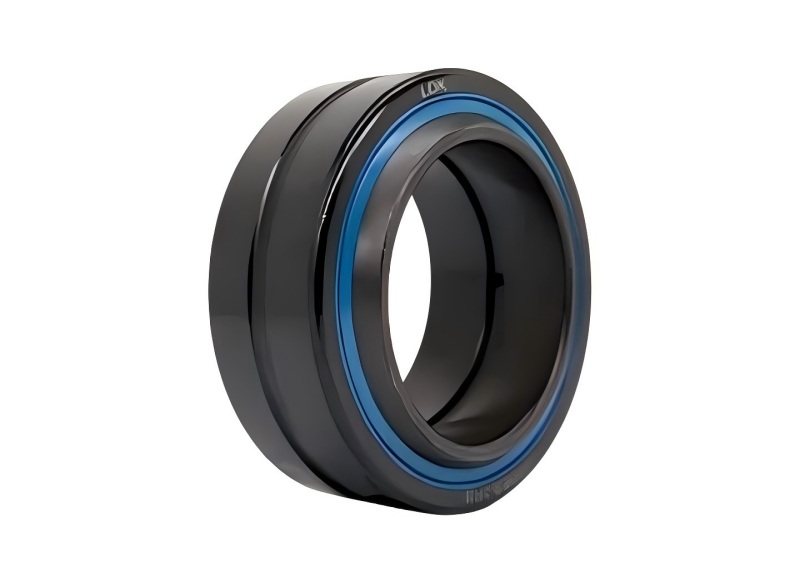
The design of a spherical plain bearing allows it to handle applications where movement is limited but loads are substantial. Instead of using rolling elements like ball or roller bearings, this type of bearing uses sliding contact between spherical surfaces to accommodate movement and support mechanical forces.
One important advantage of this design is its ability to manage misalignment. In real operating environments, perfect alignment is difficult to maintain because of manufacturing tolerances, shaft deflection, structural movement, or installation conditions. The spherical contact surface allows the bearing to compensate for certain angular deviations without creating excessive stress on connected components.
This makes a bearing spherical plain particularly useful in applications involving:
| Operating Condition | Why Spherical Plain Bearings Are Suitable | Typical Applications |
|---|---|---|
| High load requirements | Provides strong support under heavy mechanical forces | Construction machinery, industrial equipment |
| Slow oscillating movement | Designed for limited-angle movement rather than continuous rotation | Hydraulic systems, mechanical joints |
| Misalignment conditions | Allows angular adjustment between connected components | Linkages and articulated mechanisms |
| Space-limited assemblies | Compact design with effective load handling | Compact mechanical systems |
The internal structure, material combination, and surface treatment all influence how effectively a spherical plain bearing performs under specific conditions. Selecting the correct design is essential when reliability is a priority.
Low-speed applications require careful bearing selection because the operating challenges are different from high-speed rotating systems. While speed may be lower, the bearing may experience continuous pressure, repeated loading, and frequent changes in movement direction.
The first consideration is load capacity. Engineers need to understand whether the bearing will experience radial loads, axial forces, or combined loading. Selecting a bearing with suitable load capability helps prevent excessive surface pressure and premature wear.
Movement characteristics are equally important. A spherical plain bearing used in a hydraulic cylinder, for example, may experience repeated small-angle movements rather than full rotation. The bearing design should match this type of motion to ensure stable operation.
Environmental factors should also be evaluated. Dust, moisture, chemicals, temperature changes, and limited maintenance access can all affect bearing performance. Choosing a suitable bearing configuration helps improve reliability in challenging working conditions.
| Selection Factor | Impact on Bearing Performance |
|---|---|
| Load capacity | Determines whether the bearing can withstand operating forces |
| Movement type | Affects suitability for oscillating or limited motion applications |
| Operating environment | Influences corrosion resistance and contamination protection |
| Maintenance conditions | Determines lubrication and inspection requirements |
LDK Bearings provides various bearing solutions for different industrial requirements. Customers looking for suitable options can review the available bearing product range to compare solutions based on application conditions and performance expectations.
Material selection has a direct influence on the durability and operating characteristics of a spherical plain bearing. Different material combinations provide different levels of wear resistance, friction performance, corrosion protection, and maintenance requirements.
For heavy-load applications, steel-based designs are often selected because of their strength and ability to withstand demanding mechanical conditions. Other designs may focus on reducing maintenance requirements through self-lubricating materials or specialized sliding surfaces.
Lubrication is another important factor affecting bearing reliability. A properly lubricated bearing spherical plain can maintain smoother movement and reduce wear between contact surfaces. However, lubrication requirements depend on factors such as load, movement frequency, temperature, and operating environment.
Too little lubrication can increase friction and accelerate surface damage, while unsuitable lubrication materials may reduce performance. For applications where regular maintenance is difficult, selecting an appropriate maintenance-free or low-maintenance design may provide advantages.
Even a well-designed spherical plain bearing can experience reduced service life if operating conditions are not properly managed. Many bearing failures develop gradually, with early warning signs appearing before complete failure occurs.
One common issue is excessive wear caused by insufficient lubrication or unsuitable operating conditions. When sliding surfaces experience higher friction than expected, wear can accelerate and affect movement accuracy.
Contamination is another major concern. Dust, moisture, and foreign particles can enter the contact area and damage bearing surfaces. This is especially important in outdoor machinery and industrial environments where exposure conditions are difficult to control.
Misalignment and overload conditions can also shorten bearing life. Although a spherical plain bearing can accommodate certain angular movements, operating beyond its designed capacity may create uneven stress distribution.
Regular inspection, correct installation, and suitable maintenance practices are effective ways to reduce these risks and improve long-term performance.
The best spherical plain bearing depends on the specific requirements of the application. Different industries place different demands on bearing performance, making application analysis an important part of the selection process.
In construction machinery, these bearings are often used in joints and linkages where heavy loads and repeated movement occur. Hydraulic equipment relies on similar characteristics because components must maintain smooth movement while supporting significant forces.
Agricultural machinery, industrial automation systems, and heavy mechanical assemblies may also benefit from the flexibility and durability of a suitable bearing spherical plain. In each case, factors such as load conditions, movement pattern, and maintenance accessibility should guide the selection.
LDK Bearings works with customers to provide bearing solutions suited to different industrial applications. When additional technical information or product support is required, users can reach the team through the contact information page for further assistance.
Selecting the right spherical plain bearing for high-load and low-speed applications requires a clear understanding of operating conditions, movement requirements, material characteristics, and maintenance expectations. The correct bearing choice can improve equipment stability, reduce wear, and support longer service intervals.
A reliable bearing spherical plain solution is not only about handling load capacity. It is about matching bearing performance with the actual demands of the mechanical system. By considering application requirements carefully and choosing suitable bearing designs, companies can improve equipment reliability and achieve more consistent operation.
A spherical plain bearing uses a spherical contact design that allows it to support heavy loads while accommodating angular movement and misalignment.
They are mainly designed for slow movement, oscillating motion, and heavy-load conditions rather than high-speed continuous rotation.
Load conditions, lubrication, contamination, alignment, material selection, and operating environment all influence service life.
Selection should consider load requirements, movement type, operating conditions, installation space, and maintenance needs.
Proper lubrication reduces friction, minimizes wear, and helps maintain reliable movement between bearing surfaces.
Common applications include construction machinery, hydraulic systems, agricultural equipment, industrial machinery, and mechanical linkage systems.


