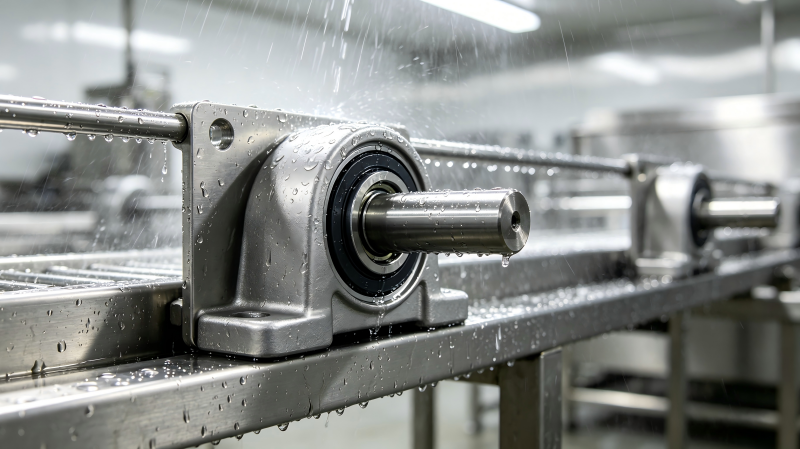
Two machines can use the same type of bearing and operate under similar loads, yet one may continue running reliably while the other develops looseness, abnormal movement, or premature wear. In many cases, the difference does not come from the bearing itself, but from what happens during installation.
A fish eye rod end bearing works at the connection point between moving components, where forces, alignment changes, and repeated motion are transferred through the assembly. Because this position directly affects mechanical movement, even a small installation error can change how the load is distributed and accelerate wear over time.
Correct installation is especially important for systems using a rod eye with spherical bearing. The spherical structure allows controlled angular movement and helps accommodate misalignment, but only when the bearing is mounted correctly and allowed to operate within its designed range.
From hydraulic cylinders and industrial automation equipment to heavy machinery linkages, proper installation practices determine whether a rod end bearing delivers reliable service or becomes a source of recurring maintenance problems. This guide explains the key installation factors that help reduce wear, improve equipment stability, and maximize the performance of fish eye rod end bearings.
A fish eye rod end bearing is often installed in areas where mechanical forces are continuously transferred between connected components. Unlike stationary support components, it must handle movement, changing loads, and angular displacement while maintaining accurate motion control.
When installed correctly, the bearing allows smooth movement and distributes loads more evenly across the contact surfaces. This reduces unnecessary stress on both the bearing and the surrounding mechanical structure. However, incorrect installation can create problems that gradually reduce performance.
For example, a slight alignment error may cause uneven loading, forcing certain areas of the bearing to experience higher pressure than intended. Over time, this can lead to increased friction, surface damage, excessive clearance, and reduced movement accuracy.
A properly installed rod eye with spherical bearing can effectively handle angular movement because the spherical contact design allows connected parts to move within a controlled range. However, if the installation prevents this movement or introduces additional side forces, the advantages of the design may be reduced.
The relationship between installation quality and bearing performance can be summarized as follows:
| Installation Factor | Effect on Bearing Condition | Impact on Equipment |
|---|---|---|
| Accurate alignment | Maintains balanced load distribution | Improves motion stability |
| Correct mounting | Prevents unnecessary stress on bearing surfaces | Reduces vibration and wear |
| Suitable lubrication | Controls friction between moving surfaces | Extends maintenance intervals |
| Proper component matching | Ensures compatibility with operating conditions | Improves long-term reliability |
Installation should therefore be considered part of the bearing performance process rather than simply the final step of assembly.
Before installing a fish eye rod end bearing, careful preparation helps prevent avoidable problems during operation. Many issues that appear to be bearing failures actually originate from incorrect preparation before installation.
The first step is confirming that the selected bearing matches the application requirements. Engineers should consider factors such as load direction, connection dimensions, movement type, operating environment, and maintenance conditions. A bearing designed for one application may not perform effectively in another environment.
The mounting components should also be inspected before installation. Threads, mounting holes, shafts, and connecting surfaces should be free from damage, contamination, or excessive wear. Any irregularity in the mounting area can affect alignment and create additional stress.
For applications using a rod eye with spherical bearing, checking movement clearance is particularly important. The surrounding components should allow the spherical mechanism to move naturally without restriction. Forced movement can increase contact pressure and shorten service life.
Clean installation conditions are also essential. Dust, metal particles, and other contaminants may affect the contact surfaces and reduce the effectiveness of lubrication. Taking time during preparation can prevent more costly maintenance issues later.
When selecting suitable solutions for different applications, users can explore LDK Bearings’ bearing product range to compare available bearing options according to specific operating requirements.
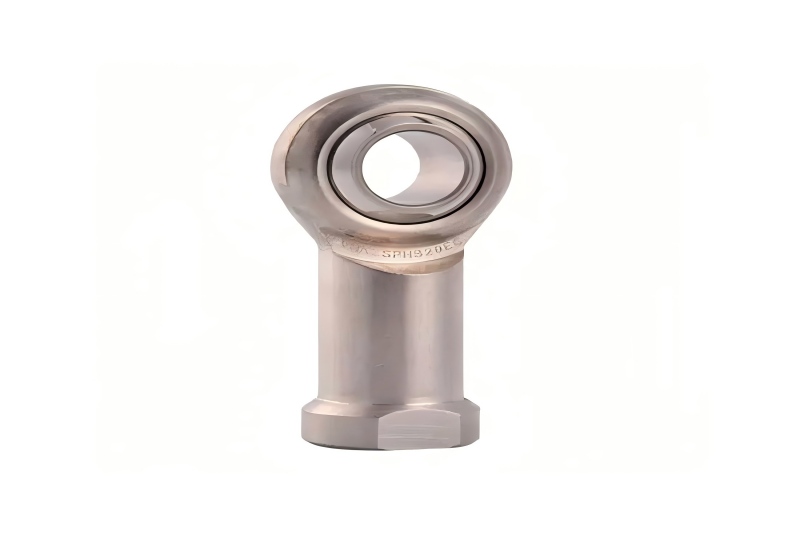
Alignment is one of the most important factors affecting the service life of a fish eye rod end bearing. Although these bearings are designed to accommodate angular movement, they still require correct positioning to operate efficiently.
When alignment is incorrect, the load may not be distributed evenly across the bearing surface. Instead, certain areas may experience excessive pressure, resulting in accelerated wear and reduced operating reliability.
Correct mounting requires ensuring that connected components are positioned properly and that external forces are not unintentionally transferred into the bearing. The bearing should support the intended movement rather than compensate for installation errors.
For a rod eye with spherical bearing, alignment also influences how effectively the spherical contact structure performs. When properly installed, the bearing can accommodate movement variations while maintaining a stable connection between components.
After installation, checking for abnormal resistance, unusual noise, or uneven movement can help identify potential alignment issues before they develop into more serious problems.
A high-quality bearing can still experience reduced performance if installation procedures are not followed correctly. Understanding common mistakes helps maintenance teams avoid unnecessary failures.
One frequent mistake is installing a bearing without verifying the correct dimensions. Forcing a component into an unsuitable mounting position can damage surfaces and create internal stress before operation begins.
Another issue is improper tightening. Excessive tightening may restrict the intended movement of the bearing, while insufficient tightening can create looseness and vibration. Both conditions can negatively affect a rod eye with spherical bearing system.
Incorrect lubrication practices can also reduce reliability. Applying unsuitable lubricants or ignoring lubrication requirements may increase friction and accelerate wear, especially in applications involving repeated movement.
| Installation Mistake | Potential Result | Recommended Approach |
|---|---|---|
| Incorrect alignment | Uneven wear and additional stress | Check positioning before operation |
| Forced installation | Damage to bearing surfaces | Confirm dimensions and fit |
| Incorrect tightening | Restricted movement or looseness | Use suitable mounting methods |
| Ignoring lubrication needs | Higher friction and faster wear | Follow application requirements |
Correct installation creates a strong foundation, but ongoing maintenance is still necessary to maximize the service life of a fish eye rod end bearing. Operating conditions can change over time, and regular inspection helps identify problems before they affect equipment performance.
Maintenance checks should include monitoring bearing movement, inspecting mounting connections, reviewing lubrication conditions, and looking for visible signs of wear. Small changes in operating behavior can provide early indications of developing issues.
Environmental protection is also important. In applications exposed to dust, moisture, or chemicals, contamination can affect the contact surfaces of a rod eye with spherical bearing. Proper protection helps maintain smoother operation and reduces unnecessary damage.
The required maintenance frequency depends on operating conditions. Equipment exposed to heavy loads, frequent movement, or harsh environments typically requires more regular inspection compared with lighter-duty applications.
A properly installed fish eye rod end bearing does more than support mechanical movement. It helps improve the reliability of the entire system by maintaining stable connections between moving components.
In hydraulic equipment, lifting systems, and industrial machinery, connection points often experience repeated forces and movement changes. A correctly installed bearing reduces unnecessary stress and helps equipment operate more consistently.
The performance of a rod eye with spherical bearing depends on both product quality and installation accuracy. Even advanced bearing designs require correct mounting conditions to deliver their intended benefits.
LDK Bearings provides bearing solutions for various industrial applications and supports customers in evaluating suitable options. For additional product guidance or application assistance, users can reach the team through the contact information page.
Correct installation is one of the most important factors influencing the performance and service life of a fish eye rod end bearing. Proper preparation, accurate alignment, suitable mounting techniques, and regular maintenance work together to reduce wear and improve equipment reliability.
For systems using a rod eye with spherical bearing, installation quality directly affects how effectively the bearing can handle angular movement and changing loads. By applying proper installation practices and selecting suitable bearing solutions, companies can achieve more stable operation and reduce unexpected maintenance requirements.
Incorrect installation can create uneven loads, additional friction, and alignment problems that accelerate bearing wear.
Users should check bearing specifications, mounting conditions, component condition, alignment requirements, and operating environment.
Yes. Excessive misalignment can create uneven stress and reduce the bearing’s ability to operate smoothly.
Proper preparation, correct component matching, accurate alignment, and suitable mounting procedures help prevent installation-related issues.
Yes. Proper lubrication reduces friction, controls wear, and helps maintain reliable movement during operation.
Inspection frequency depends on load, movement frequency, and working environment. Heavy-duty applications usually require more frequent checks.