
Flange bearing units, are essential components in countless industrial applications. These mounted bearings provide stable support for rotating shafts while allowing easy installation on machinery frames. However, like any mechanical part, they are susceptible to failure if not properly selected, installed, or maintained.
This comprehensive guide explores failure analysis for flange bearing units, highlighting common signs, root causes, the impact of operating conditions, and proven prevention strategies. By understanding these factors, maintenance teams and engineers can significantly extend service life and reduce costly downtime. LDK Bearings offers a wide range of high-quality solutions designed for reliability across demanding environments.
Early detection of problems in these components can prevent catastrophic equipment failure. Operators should watch for unusual noise such as grinding, squealing, or rumbling sounds that often signal lubrication breakdown or internal damage in the flange unit. Excessive vibration levels indicate misalignment, wear, or imbalance. Elevated operating temperatures, typically above 80-90°C, suggest friction from poor lubrication or overload. Visible grease leakage or contamination around the seals points to seal failure. Reduced performance including shaft wobble, slower rotation, or unexpected power consumption increases are also common issues.
Regular monitoring with vibration analysis tools and thermal imaging can catch these signs before they escalate. In industrial settings, ignoring early warnings with flange bearing units can lead to complete shutdowns.
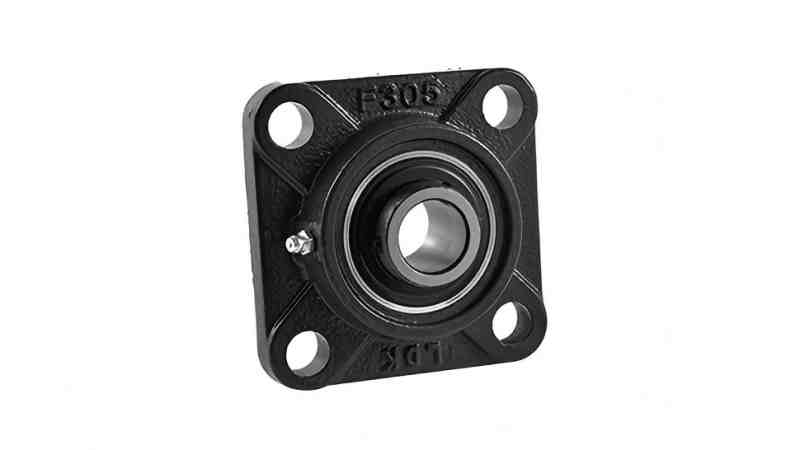
Studies show that a large percentage of premature failures stem from preventable issues. Lubrication problems, which often account for 40-80% of cases, involve insufficient, excessive, or contaminated lubricant that leads to metal-to-metal contact, overheating, and accelerated wear. Misalignment and improper installation cause even slight deviations during mounting to stress the bearing insert and housing. Contamination from dust, moisture, chemicals, or particulates breaches seals and causes abrasive damage. Overloading by exceeding the dynamic or static load ratings shortens fatigue life dramatically. Corrosion from exposure to harsh environments such as food processing or chemical plants degrades housings and inserts if not using corrosion-resistant options like stainless steel flange units.
Other factors include fatigue from cyclic loading and manufacturing defects, which are rare with quality suppliers. LDK Bearings' robust designs help mitigate many of these risks in flange bearing units through precision engineering and material selection.
Operating conditions play a critical role in determining the reliability and lifespan of these bearings. Factors such as temperature, speed, load, and environment directly influence performance. Temperature extremes thin lubricants and reduce material strength at high levels, while low temperatures can cause stiffness or condensation, potentially halving service life for every 10-15°C rise above recommended limits. Higher speeds increase heat generation and heavy or shock loads accelerate fatigue. The L10 life rating provides a benchmark, with many units designed for 20,000–100,000+ hours under ideal conditions, though real-world deviations shorten this significantly.
Environmental exposure in dusty, wet, or corrosive settings demands sealed or specialized options. In agricultural or material handling applications, contamination can reduce life by 50% or more without proper protection. Vibration and shock induce false brinelling or spalling in the raceways. Understanding these interactions allows for better selection of flange bearing units. For instance, consulting LDK Bearings' product range helps match the right flange unit to specific duty cycles.
Comparison Table: Common Failure Modes vs. Prevention Impact
| Failure Mode | Primary Cause | Typical Life Reduction | Effective Prevention Strategy | Expected Life Improvement |
|---|---|---|---|---|
| Lubrication Failure | Insufficient/contaminated grease | 50-80% | Scheduled relubrication + proper seals | 2-4x |
| Misalignment | Improper installation | 30-70% | Precision mounting tools & training | 1.5-3x |
| Contamination | Poor sealing/environment | 40-60% | Advanced seals + stainless/plastic options | 2-5x |
| Overloading | Exceeding ratings | 40-90% | Correct sizing & load analysis | 3x+ |
| Corrosion | Harsh chemicals/moisture | 50%+ | Corrosion-resistant materials (e.g., SS) | 3-10x in wet env. |
This table illustrates how targeted interventions can dramatically extend flange bearing unit service life. Data derived from industry studies on mounted bearings.
Preventing failure starts with proactive measures. Proper selection involves choosing the right type such as 2-bolt, 3-bolt, or 4-bolt and material based on the application. LDK Bearings provides options including stainless steel and thermoplastic housings for demanding conditions. Correct installation requires following manufacturer torque specs, using alignment tools, and ensuring clean mating surfaces. Explore detailed product information on LDK Bearings products page. High-quality labyrinth or contact seals minimize contamination. Lubrication management uses the recommended grease type and quantity while establishing relubrication intervals based on operating hours. Condition monitoring with vibration, temperature, and ultrasound sensors supports predictive maintenance for flange units.
These solutions, when combined, can reduce failure rates substantially and boost overall equipment effectiveness (OEE).
Consistent maintenance is the cornerstone of longevity for flange units. Routine inspections check for noise, heat, and leaks weekly or per operational schedule. Lubrication programs follow OEM guidelines, noting that over-greasing can be as harmful as under-greasing. Alignment checks use laser tools periodically to maintain shaft alignment. Seal and housing integrity requires replacing damaged seals promptly and cleaning surroundings. Training and documentation ensure staff are trained on best practices. Visit LDK Bearings' find us page for expert support and global distribution. Inventory management keeps critical spares to minimize downtime when working with flange bearing units.
Implementing these practices with quality components from trusted manufacturers like LDK Bearings leads to fewer replacements and lower total cost of ownership.
Flange bearing unit failure analysis reveals that most issues are preventable through informed selection, proper installation, vigilant monitoring, and disciplined maintenance. By addressing common signs early, understanding root causes, accounting for operating conditions, and applying effective solutions, industries can achieve remarkable improvements in reliability and service life.
Investing in high-performance components and robust maintenance programs pays dividends in productivity and reduced costs. LDK Bearings remains committed to providing innovative, durable solutions tailored to your needs. Proactive strategies today ensure smoother operations tomorrow.
Improper lubrication accounts for the majority of failures (often 40-80%), leading to overheating and wear. Regular, correct lubrication is essential.
Look for unusual noises, excessive vibration, high temperatures, or grease leakage. Early detection through monitoring prevents major issues.
Yes. Every 10-15°C increase above recommended levels can roughly halve bearing life due to lubricant degradation and material stress.
Absolutely. They offer superior corrosion resistance, making them ideal for food, chemical, and outdoor applications compared to standard cast iron.
It depends on conditions—typically every 1,000–8,000 hours. Consult manufacturer guidelines and adjust for speed, load, and environment.
Flange units mount perpendicular to the shaft for wall or frame support, while pillow blocks suit base mounting with shafts parallel to the surface. Selection depends on machinery design.


