
High temperature bearing units serve as essential components in industrial settings where extreme heat, heavy loads, and harsh operating conditions require dependable performance. Choosing the appropriate high temperature bearing material plays a decisive role in achieving operational efficiency, reducing downtime, and maximizing equipment lifespan. This guide examines key considerations in material selection, including properties, real-world applications, and influence on long-term durability.
In sectors such as manufacturing, food processing, mining, and metallurgy, high temperature bearing units must withstand continuous thermal stress. Poor material choices often result in early failures, higher friction, lubricant breakdown, and expensive maintenance.
The ideal high temperature bearing material preserves structural strength, hardness, and dimensional stability even at elevated temperatures. While standard bearings may fail above 120–150°C due to softening or lubricant issues, specialized options reliably perform at 300°C, 400°C, and beyond. Thoughtful selection lowers maintenance demands, boosts energy efficiency, and improves overall machinery reliability.
LDK Bearings provides robust solutions designed specifically for these challenging environments.
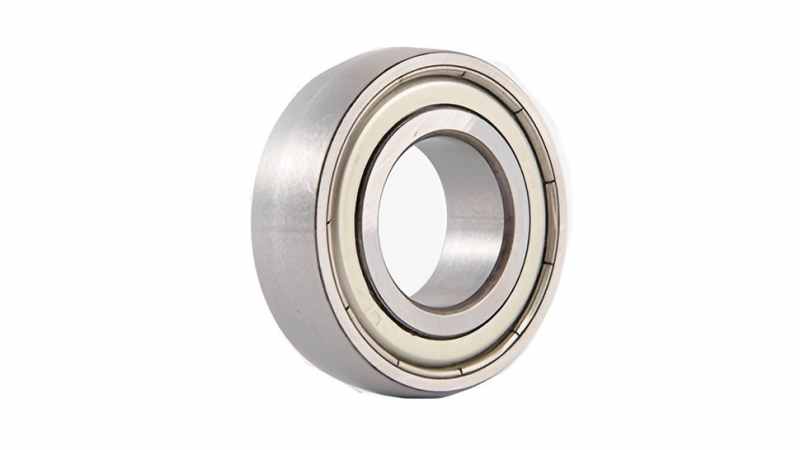
Manufacturers rely on several proven high temperature bearing materials, each offering distinct benefits. Stainless steel grades, including 440C and specialized variants, deliver solid corrosion resistance and can function effectively up to 300°C when properly lubricated. These materials stand out for their affordability, toughness, and suitability in moderately demanding thermal conditions, with heat-stabilized versions excelling during repeated temperature fluctuations.
Ceramic options such as silicon nitride (Si3N4) and zirconia (ZrO2) excel in the most extreme scenarios. Full ceramic or hybrid configurations handle temperatures reaching 800°C and higher for Si3N4, or 400–600°C for ZrO2. They feature minimal thermal expansion, outstanding hardness, superior wear resistance, and excellent corrosion protection, while also reducing internal friction and heat buildup.
High-temperature alloys and superalloys, including Inconel and tool steels like M50, retain their mechanical properties at 400–900°C. These are particularly valuable in high-load, high-speed environments where conventional steel would lose strength. Graphite-based and self-lubricating materials, often used in solid cages, support operation without conventional grease at temperatures up to 350°C or more. They supply consistent lubrication, resist contamination, and perform exceptionally well in dry, hot settings such as ovens and kilns. Additional coatings and treatments, like manganese phosphate or oxidation inhibitors, further enhance base material performance.
LDK Bearings integrates these advanced materials into their high temperature bearing units to ensure dependable operation under tough conditions. You can explore the complete selection on their products page.
The inherent properties of the chosen high temperature bearing material determine how effectively it perform under stress. Heat resistance stands as a core attribute—ceramics and refractory alloys resist softening and preserve hardness even at extreme temperatures, helping prevent seizure or distortion. Materials with low thermal expansion, typical of ceramics, maintain stable internal clearances and reduce vibration or wear over time.
Wear and fatigue resistance further extend service intervals, especially with high-hardness options like ceramics that exceed 1500 HV in demanding abrasive environments. Corrosion and chemical resistance become critical in humid or aggressive settings, where stainless steel and ceramic solutions prevent degradation. Lubrication behavior also matters significantly, as self-lubricating materials avoid the failures commonly associated with grease breakdown at high heat.
Operating beyond recommended temperature limits can shorten bearing life dramatically—sometimes by a factor of 2 to 10—due to accelerated fatigue. Selecting suitable materials often multiplies service life substantially. LDK Bearings designs its units around these critical properties, striking an effective balance between performance and value.
Material selection for high temperature bearing units depends heavily on the specific industry and operating demands. Food and beverage facilities frequently choose stainless steel or hybrid thermoplastic units that combine corrosion resistance with hygiene standards for temperatures between 150–250°C. Metallurgy and heat treatment operations turn to ceramic or superalloy bearings capable of sustained performance from 300°C to over 800°C.
Mining and aggregate processing benefit from rugged stainless or specially treated steel units that endure dust, shock loads, and moderate-to-high temperatures. Ovens, kilns, and conveyor systems often use graphite-lubricated units for maintenance-free running at around 350°C. Chemical processing plants prioritize highly corrosion-resistant ceramics or advanced alloys.
Expert guidance helps ensure the optimal match. LDK Bearings offers tailored recommendations—find a representative near you.
The choice of high temperature bearing material significantly influences the service life of high temperature bearing units. Standard chrome steel versions may only survive months at 200°C, while heat-stabilized stainless steel alternatives can deliver years of reliable service. Ceramic hybrid designs commonly achieve three to five times longer life in high-speed, high-heat applications through lower friction and reduced wear rates. Self-lubricating solutions with graphite components operate without regular maintenance, sidestepping lubricant-related failures that limit conventional units.
Variables such as load, speed, contamination levels, and thermal cycling interact closely with material characteristics. Well-optimized selections routinely achieve service lives of 10,000 to 50,000 hours or greater in challenging conditions. LDK Bearings emphasizes durable engineering that leverages these advantages to deliver lasting value for global customers.
Selecting the best high temperature bearing material requires careful evaluation of several practical factors. Begin by determining both peak and continuous operating temperatures. Then assess expected loads and speeds, noting that higher loads favor robust alloys while elevated speeds benefit from low-friction ceramics. Environmental considerations—such as exposure to corrosion, dust, moisture, or vacuum—must also guide decisions. Lubrication needs deserve special attention, with self-lubricating materials preferred in hard-to-reach or extremely hot locations. Finally, weigh initial costs against long-term savings on maintenance and downtime, while consulting detailed manufacturer data on clearance, seals, and shaft fits.
LDK Bearings’ experienced team assists in matching high temperature bearing units precisely to individual requirements for the best possible return on investment.
| Material Type | Max Temp (°C) | Key Advantages | Limitations | Typical Applications | Relative Cost | Service Life Impact |
|---|---|---|---|---|---|---|
| Chrome Steel (stabilized) | 120–200 | Affordable, good load capacity | Limited heat & corrosion resistance | General machinery | Low | Baseline |
| Stainless Steel (440C) | Up to 300 | Corrosion resistant, tough | Moderate high-temp performance | Food, chemical, moderate heat | Medium | 1.5–3x |
| Ceramic (Si3N4/ZrO2) | 400–800+ | Extreme heat resistance, low friction, corrosion-proof | Brittle, higher cost | High-speed, extreme environments | High | 3–10x+ |
| High-Temp Alloys/Superalloys | 400–900 | High strength at extreme temps | Expensive, processing challenges | Metallurgy, aerospace | Very High | 4–8x |
| Graphite/Self-Lubricating | Up to 350+ | Maintenance-free, dry operation | Lower load/speed in some cases | Ovens, kilns, conveyors | Medium-High | 2–5x (low maint.) |
Data based on industry standards and manufacturer specifications. Actual performance depends on specific conditions.
Selecting the right high temperature bearing material for high temperature bearing units represents a key strategic choice that shapes heat resistance, durability, performance, and overall service life. Whether working with stainless steel, advanced ceramics, or self-lubricating composites, each material brings targeted advantages suited to particular industrial demands.
Understanding these properties and matching them to application needs enables businesses to cut downtime, control costs, and enhance productivity. LDK Bearings serves as a dependable partner, supplying high-quality engineered solutions built for the toughest environments. Investing wisely in suitable materials yields strong returns through improved reliability and extended service intervals.
Common options include stainless steel, ceramics (Si3N4, ZrO2), high-temperature alloys, and graphite-based self-lubricating materials. Each excels in specific temperature and environmental ranges.
The right high temperature bearing material can extend life 2–10 times or more by maintaining hardness, reducing wear, and preventing lubrication failure under heat stress.
Ceramics are excellent for extreme heat and corrosion but may not suit very high-load or impact-heavy uses due to brittleness. Hybrids often provide a good balance.
Depending on materials, they typically handle 150–350°C continuously, with specialized ceramics and alloys exceeding 800°C.
LDK Bearings offers a wide selection of durable, application-specific units using advanced high temperature bearing materials, backed by engineering expertise and global support.
Evaluate temperature, load, speed, environment, and maintenance requirements. Consulting manufacturers like LDK Bearings ensures the optimal match for performance and cost-effectiveness.


